
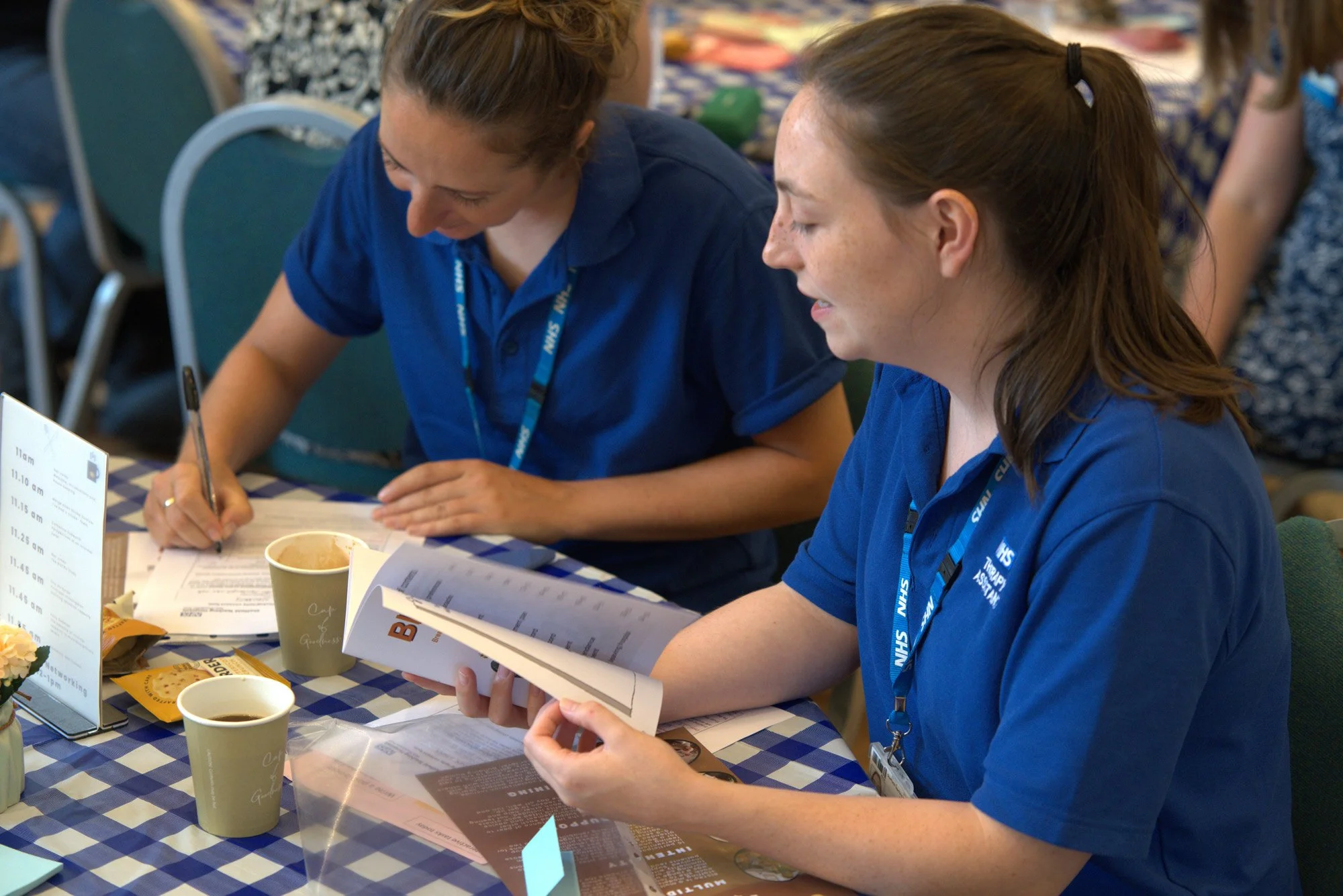
What I Offer
I support individuals, teams, and organisations to reflect, evaluate, and grow. Each collaboration is tailored from one-to-one supervision to large-scale service redesign and always grounded in evidence, compassion, and practical impact.
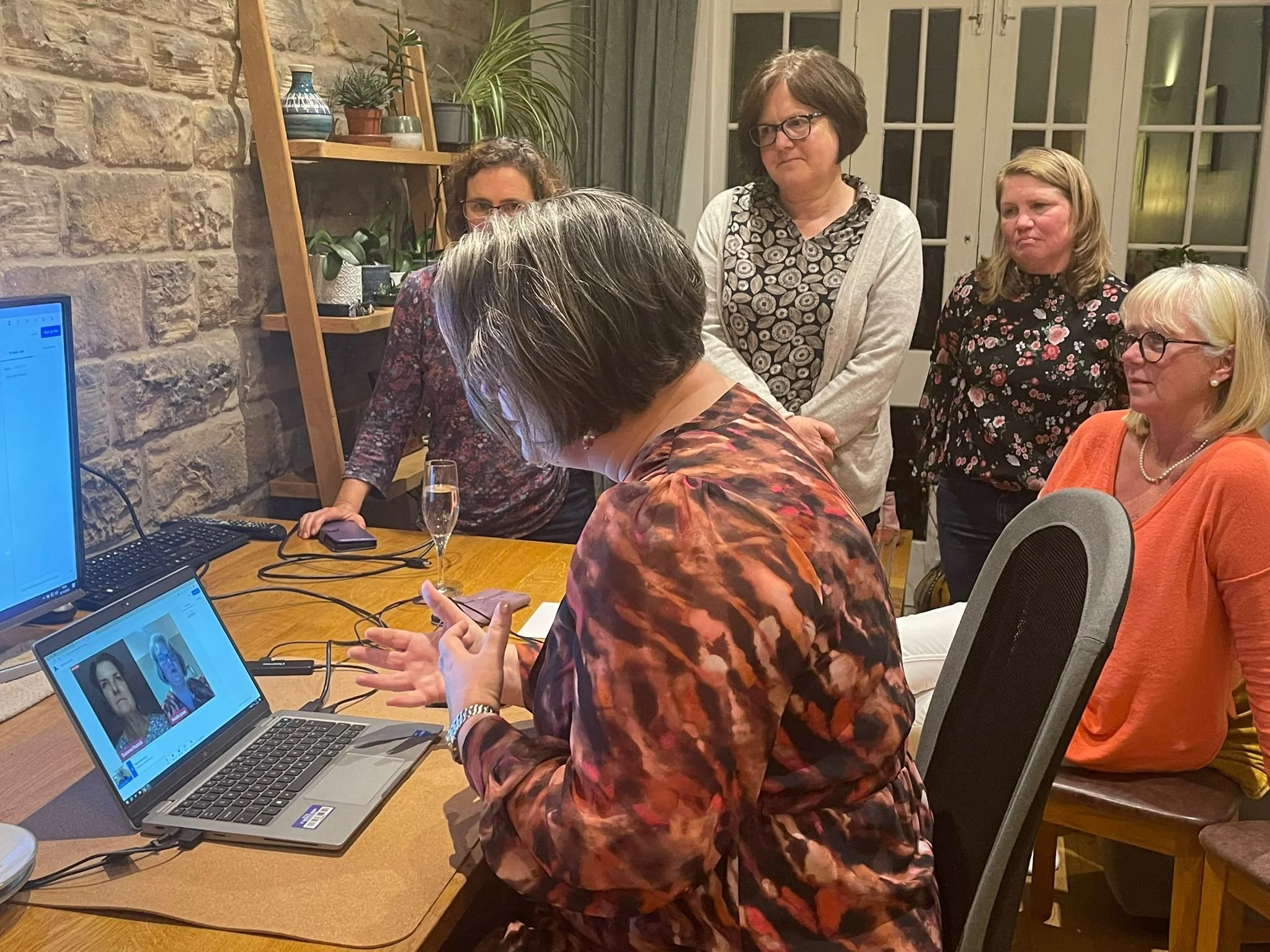

Supervision, Mentoring & Leadership
Creating space for reflection, growth, and purposeful action.
I support allied health and healthcare professionals, including trained employees such as social prescribers, care coordinators, and those in caring or community health roles, to build confidence, enhance leadership skills, and deepen reflective practice.
I also facilitate group supervision and mentoring, supporting teams to strengthen communication, enhance well-being, and develop a culture of shared learning and peer support.
Together, we work toward greater clarity, improved well-being, and sustained professional growth.
Example of My Work
Individual Sessions: A senior occupational therapist approached supervision feeling overwhelmed by competing demands and team leadership challenges. Through a series of reflective sessions, we explored values-based decision-making, boundary setting, and leadership identity. Over time, she reported increased confidence, more balanced workload management, and greater satisfaction in her professional role.
Group Sessions: A multidisciplinary primary care team engaged in group supervision to enhance collaboration and shared learning. Through facilitated peer reflection, the group identified strengths, improved communication, and built a supportive space for professional dialogue.
Research Capacity Building Mentoring: I have extensive experience in research capacity building and mentoring clinicians who are interested in, or in the early stages of, developing a clinical academic career. Having successfully secured four National Institute for Health and Care Research (NIHR) career development awards, I offer tailored support to individuals seeking to build research skills, develop competitive applications, and navigate clinical academic pathways.
FAQs
-
I work with allied health professionals, social prescribers, care coordinators, and those in caring or community health roles. Sessions can be tailored for individuals or delivered in small groups or teams.
-
Supervision offers a reflective, supportive space focused on professional development, ethics, and well-being. Mentoring tends to focus more on growth, skill development, and career progression. My approach often blends both, depending on your needs.
-
Sessions provide time to pause and reflect, exploring what’s working well, where you feel challenged, and what matters most in your work. I’ll support you with structured reflection, practical strategies, and resources to help you move forward with clarity.
-
Yes. Group supervision or peer mentoring sessions create a shared reflective space for teams to build connection, strengthen communication, and learn collaboratively. These can be held in-person or online.
-
Frequency depends on your goals and context. Many clients find monthly or six-weekly sessions effective. Group supervision may run quarterly or according to organisational needs.
-
Yes — sessions are confidential within professional and ethical boundaries. I provide a safe, supportive environment for open and honest reflection.
-
Clients often report increased confidence, better boundaries, stronger leadership, improved resilience, and a deeper sense of purpose in their professional lives.
Research & Evaluation
Curiosity and evidence guide my approach to research and service improvement.
I help healthcare teams and organisations understand what works, measure impact, and translate learning into meaningful, lasting change. My work brings together reflective inquiry, practical evaluation methods, and a collaborative ethos — ensuring that insight leads to improvement and innovation.
Outcomes: Insight-driven improvement and stronger foundations for innovation.
Example of My Work
Service Evaluation for a Community Health Initiative:
I worked with a primary care network to evaluate a programme designed to support diverse groups of patients living with long-term conditions and persistent pain. Many participants spoke English as an additional language or experienced challenges with literacy. The evaluation combined qualitative and quantitative methods, including patient-reported outcome measures, to explore engagement, accessibility, and impact.
Findings highlighted effective approaches to inclusive communication and provided meaningful insights into the programme’s impact. The evaluation also identified opportunities to strengthen support for underrepresented groups and informed both future programme design and reporting to decision-makers on outcomes and value.
Experienced grant and bid writer:
I am an experienced bid writer with over 10 years’ success in securing funding and new roles within the NHS. Examples of my work include securing a regional post for specialist neuromuscular physiotherapy services and creating the first AHP Research Therapist role within an NIHR Clinical Research Facility. As a senior NHS manager, I bring strong expertise in developing persuasive business cases for innovation, service development and competitive funding calls. Alongside my research career, I have secured £558,000 in grant funding, including four NIHR Career Development Awards. I am also an experienced reviewer for research bids for charitable organisations and the Royal College of Occupational Therapy, giving me valuable insight into what funders look for in successful applications.
FAQs
-
I work across a range of health and wellbeing settings, supporting service evaluations, quality improvement projects, and reflective research. Projects may focus on understanding impact, improving processes, or capturing the experiences of staff and service users.
-
While much of my work is in health and social care, I also collaborate with voluntary and community organisations involved in wellbeing, social prescribing, or preventative health initiatives.
-
I use a collaborative, strengths-based approach — balancing rigour with practicality. This means co-designing evaluation methods with teams, making data meaningful, and translating findings into actionable learning.
-
Yes. I can support you to create tools and frameworks tailored to your service, ensuring you can collect useful, sustainable data long after the project ends.
-
Depending on your needs, I can provide written reports, visual summaries, or facilitated feedback sessions that help your team understand and act on findings.
-
We begin with an initial conversation where you provide a brief and outline your goals or programme of work. From there, I develop a tailored proposal that sets out the evaluation scope and design, work packages, anticipated outputs, and payment terms. This ensures clarity from the outset and a shared understanding of how we’ll work together.
Workforce Development
Designing programmes that strengthen collaboration, leadership, and resilience across teams and systems.
I design and deliver workforce development initiatives that bring together diverse professionals and organisations to build shared understanding, strengthen teamwork, and drive improvement. My approach combines reflective practice, coaching, and facilitation to help people work better, within their teams and across systems.
Outcomes: Connected, capable teams ready to meet evolving challenges.
Example of My Work
Cross-Organisational Collaboration and Improvement Programme:
I worked with partners across a regional health and care system to design and deliver a development programme aimed at improving coordination between services. The programme brought together clinicians, managers, and voluntary sector leads to explore shared goals, strengthen communication, and test new ways of working collaboratively.
Through a blend of facilitated workshops, coaching, and peer learning, participants developed stronger working relationships, improved understanding of each other’s roles, and greater confidence in leading joint improvement projects. The programme supported ongoing collaboration beyond its completion, helping to embed a more connected approach to service delivery.
FAQs
-
I deliver tailored programmes that focus on leadership, collaboration, and improvement across teams and systems. This includes facilitation for cross-organisational projects, coaching for team leaders, and workshops that build collective capacity for change.
-
I work with multidisciplinary teams and partnerships across health, social care, and community settings, from front-line staff to senior leaders and system-level networks.
-
I use a collaborative, co-design approach. Together, we clarify goals, identify stakeholders, and shape content that supports real-world challenges. My programmes emphasise dialogue, reflection, and practical action.
-
Sessions may include facilitated workshops, coaching, action learning sets, and peer reflection. These methods help teams explore complexity, share insights, and turn learning into tangible improvements.
-
Evaluation is built into each programme. I use participant feedback, reflective tools, and project outcomes to capture learning, demonstrate impact, and inform ongoing improvement.
-
We begin with a conversation about your aims, context, and the stakeholders involved. From there, I provide a proposal outlining the programme design, delivery approach, outputs, and payment terms.
Co-design & Coproduction
Partnership is at the heart of my work.
I bring professionals, patients, and communities together to design inclusive solutions that truly reflect lived experience. Trained in Experience-Based Co-Design (EBCD) and participatory research methods, I use creative and engaging approaches to support diverse groups — including people with communication or literacy challenges — to contribute meaningfully to change.
Whether leading a large co-production programme or facilitating a one-off workshop, I create spaces where every voice is heard and valued.
Outcomes: Shared ownership, deeper engagement, and sustainable results.
Example of My Work
Co-designing a Breakfast Group for Stroke Rehabilitation:
I worked with stroke survivors, family members, and rehabilitation staff to co-design a breakfast group intervention aimed at addressing the psychosocial impacts of changes in eating and drinking skills after stroke. Using creative participatory methods — including storytelling, visual tools, and hands-on activities — we explored experiences of recovery, social connection, and identity.
The resulting intervention promoted confidence, inclusion, and peer support during rehabilitation. The project demonstrated how co-design can translate lived experience into practical, meaningful service innovation.
FAQs
-
I lead and facilitate projects that involve patients, carers, and professionals working together to improve services, pathways, or experiences of care. This can include full co-production programmes, community engagement projects, or one-off events to explore specific themes.
-
I collaborate with health and care organisations, community groups, and research teams who want to involve people with lived experience meaningfully in design and decision-making.
-
I use participatory and creative approaches such as Experience-Based Co-Design (EBCD), workshops, focus groups, and visual or story-based techniques that support inclusion, especially for people with communication or literacy needs.
-
Absolutely. I design each process to fit your context, participants, and goals — from developing inclusive engagement strategies to facilitating co-design events or delivering full programmes of participatory research.
-
We begin with an initial conversation to clarify your aims, audience, and desired outcomes. I then provide a proposal outlining the approach, facilitation plan, outputs, and payment terms.

“You always made things happen — calm, organised, and uplifting.”
Ready to start a conversation?