
A Century of Living and a Century of Doing
My Granny and Occupational Therapy at 100, getting the right support at the right time.
OT Week 2025
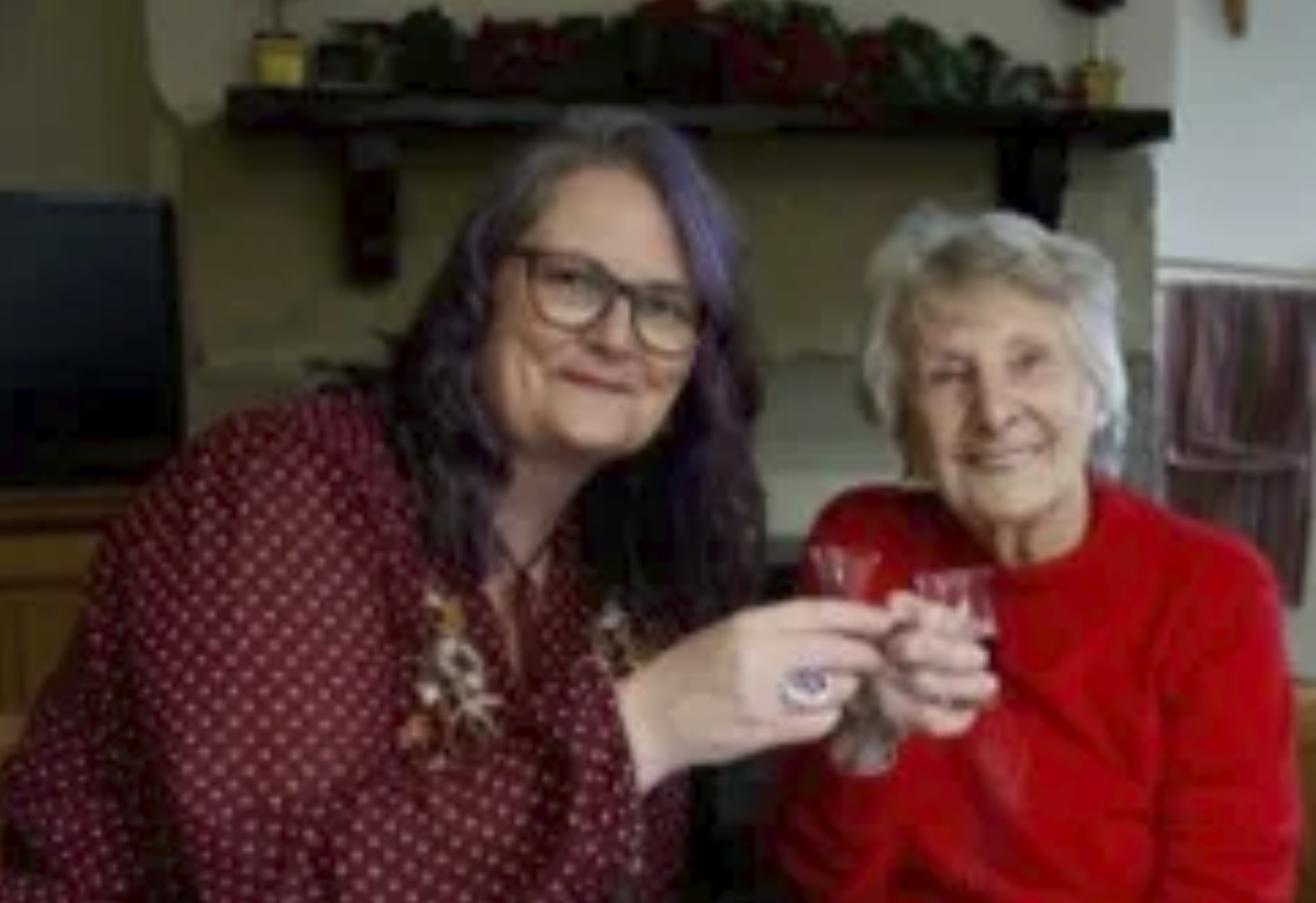
What do you give someone who turns 100 years old? A fruit basket, flowers or chocolates. In the end, I decided the only gift that could do justice to my Granny’s century was a “This Is Your Life” book. Each week, we sat together with my laptop: she told stories, I typed furiously, and occasionally checked with family afterwards when details became hazy (as they say, recollections may vary).😉
It just so happens that this year marks another 100th birthday too: Occupational Therapy in the UK 🎉. As I listened to Granny’s stories, I realised her life and the profession of Occupational Therapy have moved in parallel, two centuries shaped by resilience, adaptation, and the meaning found in daily doing.
Beginning in a time of change
Granny’s early life was forged in the fires of World War 2 and the Sheffield Blitz. She watched deprivation unfold on her doorstep, endured rationing, and welcomed her beloved brother home from Dunkirk. She grieved bitterly when her first love failed to return from the war in France. She even lost one of her first jobs when the toy shop was bombed out of existence. For her, resilience meant dusting off the rubble and starting again.
Occupational therapy had a similar start. Born in the shadow of the First World War, the profession took root in Britain in 1924, focused on helping injured soldiers rebuild their lives. With limited resources, OTs relied on creativity. Crafts, weaving, and carpentry, providing meaningful activities. Just like Granny, OT learned to thrive in times of scarcity, making do, improvising, and finding purpose in the smallest acts.
Adapting through upheaval
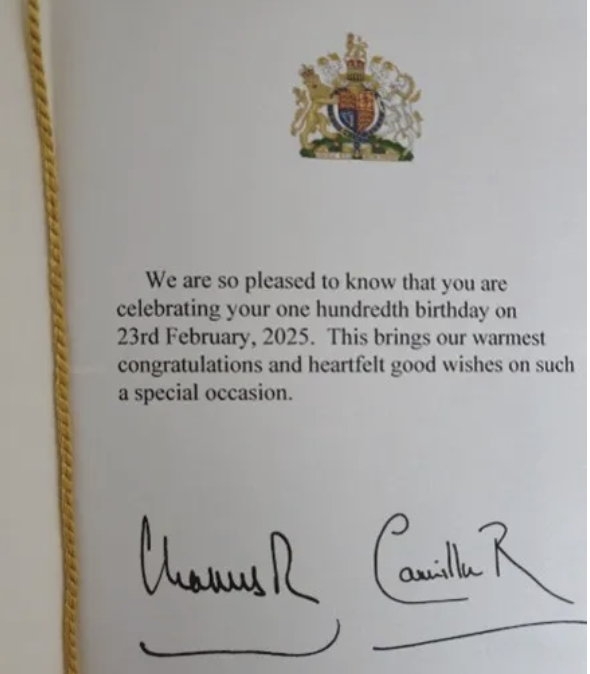
Fast forward nearly a century, and Granny faced another global upheaval: COVID-19. She was fiercely protected by family, tucked away safely, but socially isolated. We were all rooting for her because she had her eyes fixed firmly on the prize, the royal telegram from King Charles.
OTs, meanwhile, were on the front line. I left my academic research to work in the stroke service. Patients endured profound sensory and social deprivation, with no hugs from loved ones at the most critical times. Therapy became about more than physical recovery; it was about connection, creativity, and human contact in a time of enforced separation. Granny’s determination to survive and OT’s reinvention under pressure tell the same story: when the world tilts, you adapt.
Focus on daily life and meaning
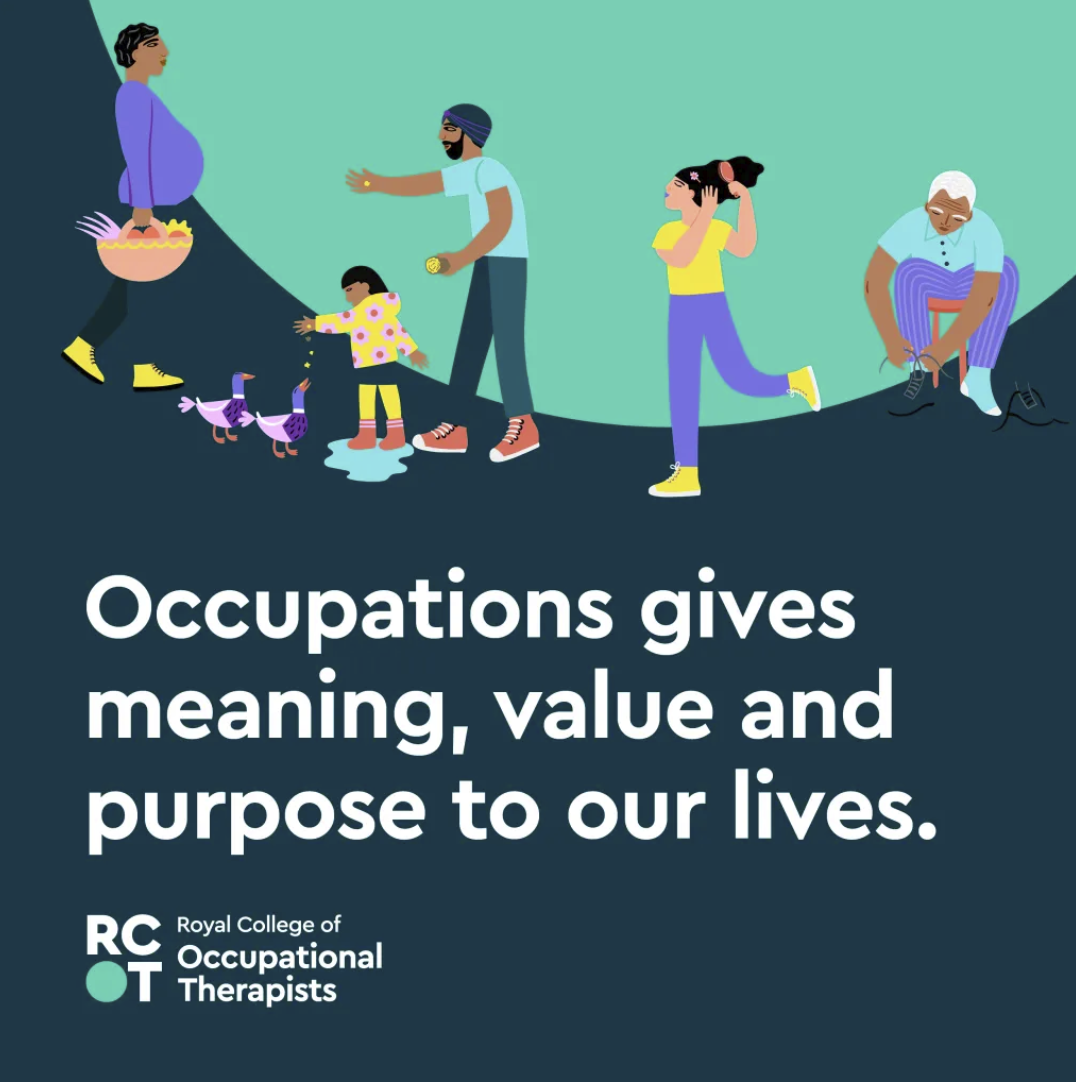
For Granny, meaning has always been found in 'doing'. Baking, sewing, holidaying, belonging to craft groups, and most importantly, being a wife, mother, grandmother, great-grandmother and yes, even great-great-grandmother.
Occupational therapy shares that philosophy. It isn’t just about equipment and adaptations or hospital discharge. It’s about helping someone make a cup of tea after a stroke, regaining independence after a life-changing disability. It’s about restoring the activities that shape our identity. In many ways, Granny is OT’s perfect case study: proof that daily occupations, however ordinary, are the threads that make a life extraordinary.
Empowering others
Granny empowered herself against the odds. She started “spotting dominoes” in a factory (yes, that was really a job), went on to raise four children, and still carved out a career in travel, eventually becoming a manageress in a travel agency. She travelled the world, soaked up cultures, and proved that humble beginnings don’t limit horizons.
OT, too, is about empowerment. From children with disabilities learning to play, to adults returning to work after injury, to older people adapting their homes for independence, the profession has always been about opening doors. Occupational Therapy helps people to look beyond their circumstances, step into opportunity, and expand their world.
Ageing well and longevity
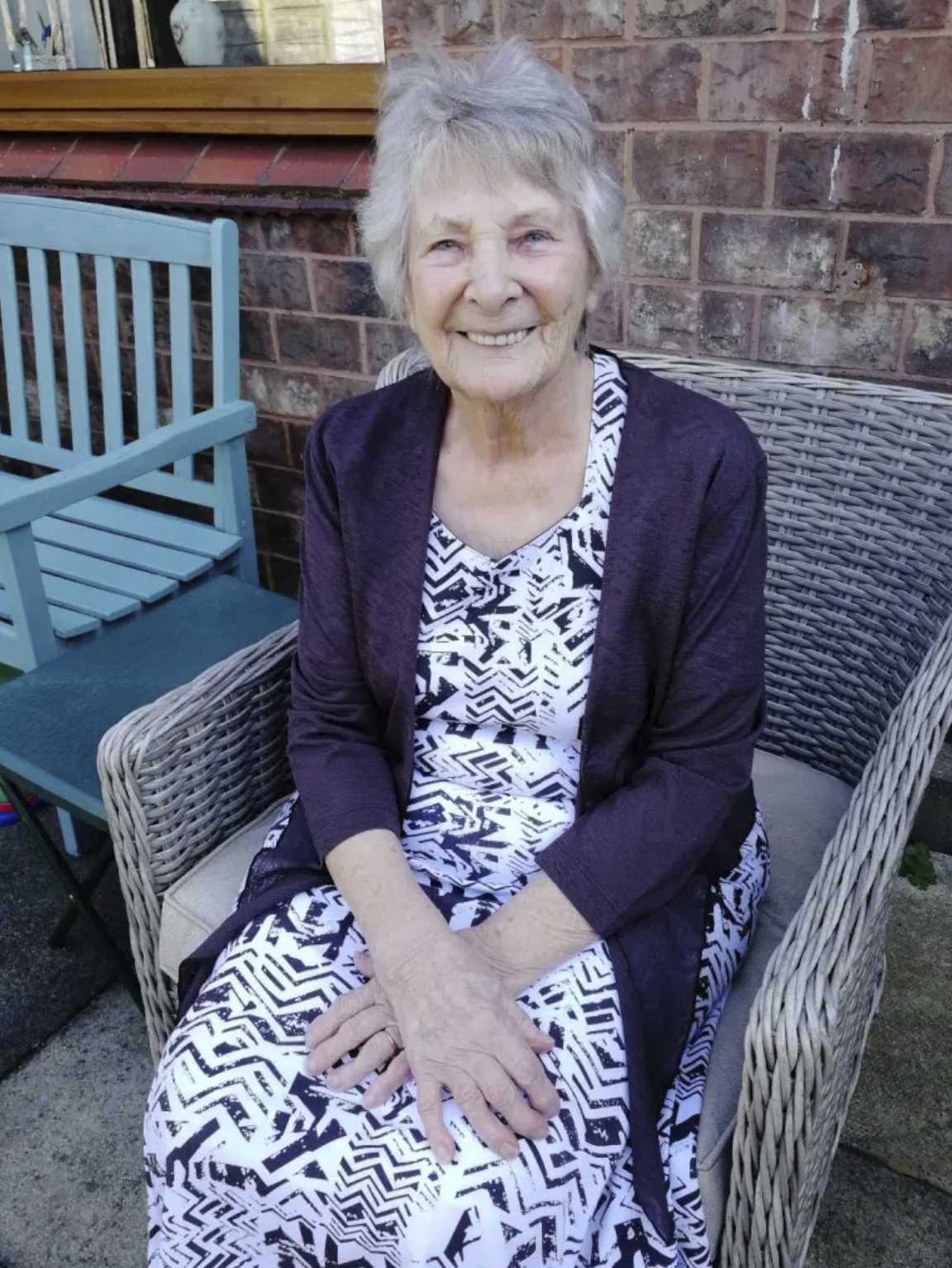
Now, at 100, Granny is facing the realities of frailty. Several health scares over the last few years have tested her resilience. Yet her spirit is feisty, her determination to stay independent is fierce, and her “army” of family keeps her safe and well. And of course, she has her very own occupational therapist on hand (lucky Granny).
Occupational Therapy in 2025 faces the same challenge, helping people age well in a world where more of us are living longer. Falls prevention, home adaptations, cognitive support, and helping people stay connected in their neighbourhood are the bread and butter of modern OT practice. Granny is living proof of why this work matters: longevity without purpose is just existence, but longevity with meaning is life.
Celebrating OT Week – Right support, right time
It feels especially fitting that Granny’s 100th birthday year coincides not only with occupational therapy’s centenary but also with OT Week 2025, this year championing the theme “Occupational therapy is a vital part of the solution to today’s health, education and social care challenges.” This year’s OT week campaign shines a light on prevention, focused care, helping people earlier, easing pressure on services, and improving outcomes.
That idea of “Right Support, Right Time” isn’t just something I practice in my professional life; it’s alive and well in my role as Granny’s granddaughter. In my work in primary care, I focus on prevention and asset-based approaches: supporting people to realise their full potential, often before crisis strikes. With Granny, it has been much the same.
There was the trolley saga, for example. Initially, she resisted it (“I don’t need that cluttering up my house!”). But now she wouldn’t be without it; it’s become her passport to independence around the home. We’ve adapted her environment, kept her safe from falls, and ensured she still does the things that matter to her. When her health dips, I liaise with the district nurses and GPs, wrapping support around her quickly to prevent the dreaded dash to A&E.

This is OT thinking in action, not just patching people up after a fall, but putting the right support in place at the right time, so people can keep living their lives meaningfully and safely. Granny’s story is a microcosm of what OT does every day, whether it’s in GP surgeries, schools, hospitals, or care homes.
Two centenaries, one spirit
So here we are, Granny and occupational therapy, both celebrating a century. One is a profession that has shaped countless lives; the other is one woman whose life has shaped an entire family. What unites them is resilience, adaptability, creativity, and the conviction that life is best lived by doing.
Happy 100th to them both, and here’s to the next chapter of living well and ‘doing’ with meaning.
#OTWeek 3-9 November 2025
https://www.rcot.co.uk/latest-news/putting-prevention-and-early-intervention-in-spotlight-OT-Week
natalie.jones56@nhs.net