
When Eating & Drinking Becomes a Struggle
What Stroke Survivors Experience in Hospital
Imagine leaning over your plate, unable to chew properly, or too fatigued to lift a spoon. For many stroke survivors admitted to acute stroke units, something so ordinary becomes a major challenge. This new qualitative study shines light on what it's really like to eat and drink after a stroke and how the hospital environment, staff support, and internal feelings shape the experience.
Why this matters
Eating and drinking aren’t just about nutrition. They’re deeply tied to dignity, social connection, recovery, and well-being. Difficulties with swallowing (dysphagia), fatigue, coordination, or simply managing cutlery can make mealtimes stressful, risky (aspiration, choking), or isolating. If hospital care doesn’t recognise and respond to those challenges, recovery may be slower, complications may increase, and survivors may suffer more than they should.
Poem by Marge Allen Stroke Survivor
I’ve had a Stroke
At the stroke of a pen, my world turned upside down
Unable to speak or walk as I once did
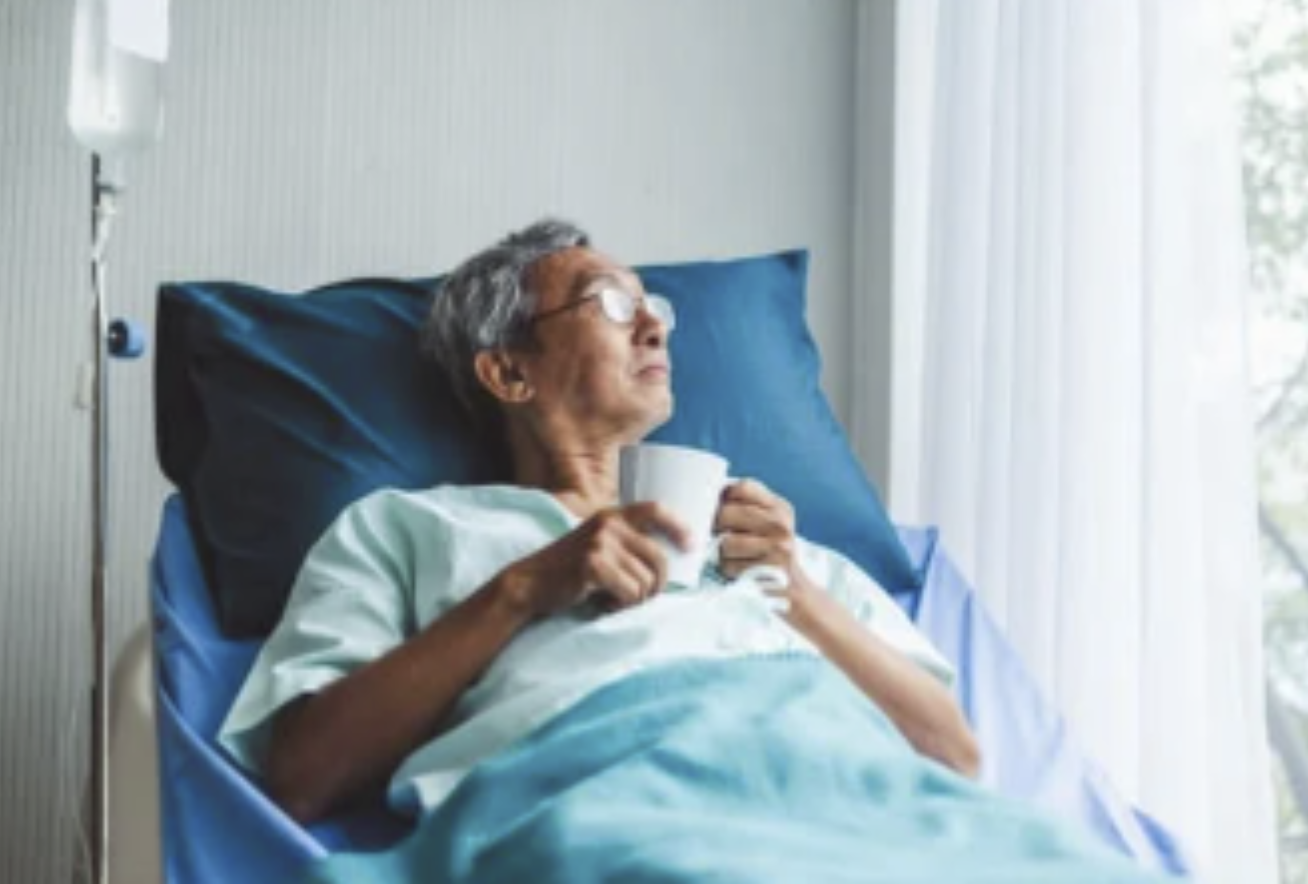
I was lonely in a room of my own
Covid was rife
Dark and scattered thoughts were all that I had
Felt as if I was in prison
Physios came and OTs as well, but touch me not
Nurses and cleaners all came and went
Speech therapists came , but had little time
Food was a hurdle, asking for gluten-free
Caused eyes to roll
Porridge for breakfast was a nightmare
Is this gluten-free? No! Then back it went
TV and Zoom were a godsend to lighten the gloom
I needed to be with other people
I’d had a stroke
What the study did
AI generated
This research used interviews and observations to understand the daily experiences of stroke patients in acute stroke units who have eating and drinking difficulties. It explored:
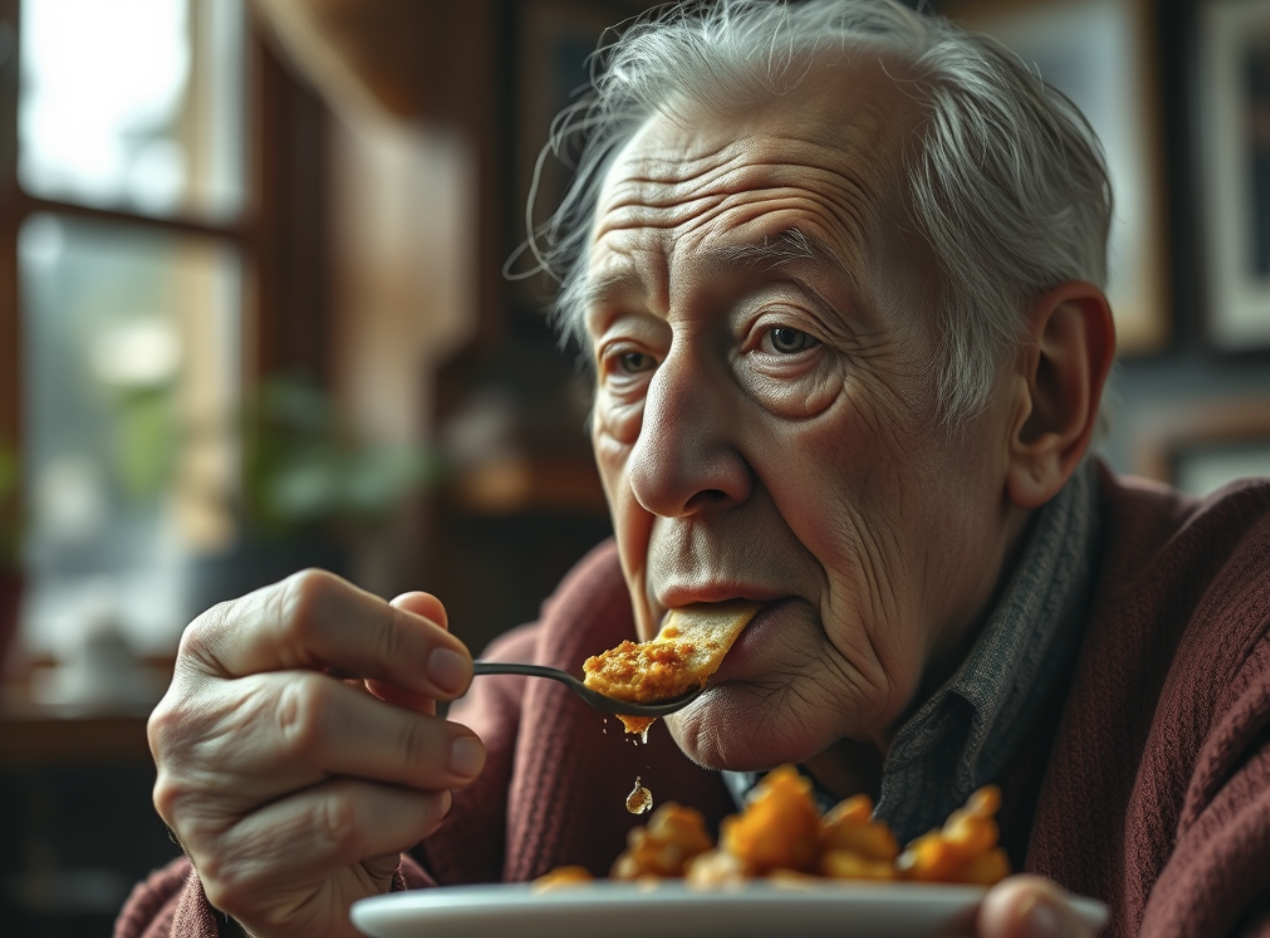
AI Generated Image
How survivors feel about their eating and drinking difficulties
What helps them eat and drink better
What gets in the way, both personally and within the hospital system
Key findings: What survivors report
Based on the study, several themes were found. Here’s what stood out:
Motivation vs. discouragement
Survivors often want to recover their ability to eat normally again. The hope of being independent, enjoying tastes they loved, and socialising at meal-times motivates them. But at the same time, difficulty with eating one-handed or feelings of embarrassment or shame discourage effort.Inconsistent support
Whether or not someone gets good help with meals depends a lot on staffing, timing, how attentive the staff are, and whether the person’s needs are recognised. Sometimes those needs are only identified after people struggle: meals that are difficult to manage, cutlery out of reach, a lack of adaptive cutlery and aids, and inadequate help for picking up food.Communication and preferences
Patients don’t always get clear information about what they can or should eat, or why certain modifications are made. They also don’t always feel their voice is heard: for example, that their food preferences, dislikes, or fears are not respected or considered.Emotional burden
Mealtimes bring anxiety, frustration, loss of identity (“I used to be able to eat anything”), shame (needing help, drooling, choking), and worry about what others think. The struggle is not only physical, but deeply psychological.Systemic and organisational issues
Things that are outside the control of the patient but deeply affect their experience: how meals are delivered and left, staffing levels, whether texture-modified meals are tasty and acceptable, and whether there is training for staff in supporting swallowing, eating, and drinking.
What could help: Implications
From what stroke survivors report, here are some changes that could make a real difference:
Early, routine assessment of functional ability to eating/drinking, not only when someone is observed to have difficulties.
Staff training not just in dysphagia (swallowing) but in practical mealtime assistance: positioning, cutlery adaptation, and psychological encouragement.
Respect for preferences: a what matters to you approach to addressing personal food and drink preferences.
Clear, compassionate communication: explain what is happening, why certain textures are needed, and encourage patient and family input.
System-level prioritisation: ensuring wards are staffed appropriately at mealtimes; ensuring that adaptive tools, modified diets, and support are integral to recovery care plans.
A story to humanise
“I know I should eat but I don’t always want to.”
For one patient, a mouthful of food wasn’t just about swallowing; it felt like admitting how much they’d lost. They longed for meals like home, with tastes remembered, but every bite was a negotiation between desire and difficulty.
These are not rare anecdotes but echoes of many survivors’ voices.
Hearing them reminds us that recovery is more than clinical interventions—it requires attending to the human experience.
What can you do to help?
Clinical teams (speech & language therapists, dietitians, nursing staff, occupational therapists): create opportunities for meal time experiences which promote social connecting with other stroke survivors and normalise eating and drinking difficulties.
Hospital leadership / policy makers: recognise the importance of mealtime care as fundamental to recovery, regaining dignity and socialisation, and invest in support and aids to help patients, training of staff and resources for carers on eating and drinking difficulties.
Families of stroke survivors: advocate, ask questions, and ensure loved ones’ preferences and fears are heard.
Researchers: explore interventions to standardise and improve eating/drinking support; look at patient-centred outcomes (quality of life, satisfaction) as well as clinical outcomes.
Final thoughts
Image Copyright to Dr Natalie Jones
Eating and drinking after stroke isn’t only about nourishment, it’s about feeling like yourself again. The act of sharing food, tasting what you love, and feeding yourself with dignity, these are milestones of recovery just as important as mobility or speech.
For many stroke survivors, what they eat, how they eat, and who helps them make all the difference.
If hospital care can address the practical, emotional, and systemic barriers identified in this study, then for many stroke survivors, mealtimes can move from being daunting to becoming an important part of their recovery journey.
To learn more, please access the full article using the link below:
https://www.tandfonline.com/doi/full/10.1080/09638288.2025.2563772#abstract