
Occupational Therapy in Primary Care:
Leading, Innovating, and Seizing Future Opportunities
How can Occupational Therapists shape the future of primary care through leadership, innovation, and the Neighbourhood Health Guidelines?
Finding My Path Into Primary Care
Like many OTs working in primary care today, my journey began with a leap into the unknown. After 23 years in secondary care, I stepped into a one-year secondment as a place-based workforce development lead for the South Yorkshire Integrated Care Board’s workforce hub.
That year changed everything. I collaborated across Sheffield, supported workforce development projects, and helped introduce Occupational Therapists into Primary Care Networks (PCNs). At the time, this wasn’t an easy sell. Before the Additional Roles Reimbursement Scheme (ARRS) came into effect, convincing networks to invest in an OT role over more traditional choices, such as pharmacists or physiotherapists, required persistence and evidence.
“The success of an early pilot with frail older adults proved what many of us already knew: OTs bring unique value to primary care.”
Once ARRS funding was introduced, momentum built quickly and networks across the city started to take notice.
From Evaluation to Leadership
My early work evaluating how Allied Health Professionals (AHPs) were integrated into primary care gave me a new platform. Primary Care Sheffield and the South Yorkshire ICB commissioned me to lead further evaluations, which led to the creation of the first AHP leadership role spanning eight GP practices in the city.
Today, I balance a portfolio career that combines clinical practice, leadership, and research. Alongside my clinical and research roles, I work on workforce development initiatives from co-creating evaluation frameworks with PCNs to co-designing outcome measures for innovative community projects like pain management cafés for non-English-speaking patients.
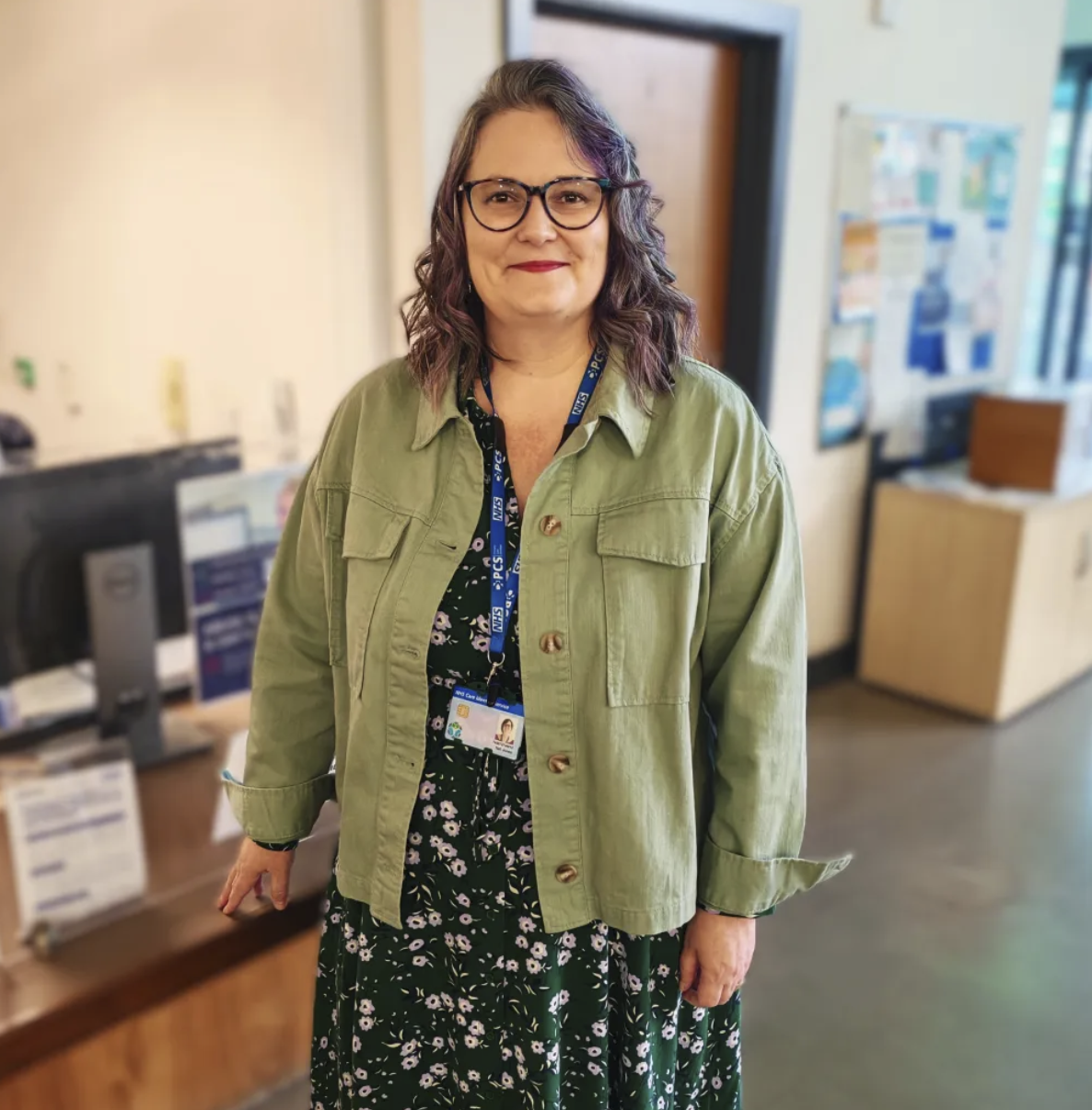
Clinical Practice: Making a Difference on the Ground
In practice, my OT role is varied and people-focused. I’ve worked on dementia reviews for housebound patients, supported housebound individuals with frailty, and helped high-frequency service users reduce their dependency on GP services.
More recently, I’ve been part of introducing electronic triage across nine GP practices — a shift that changes how we deliver care. From issuing sick notes to connecting patients with the right professionals, it’s about making the most of the full multi-professional team.
“Electronic triage has transformed how we connect patients with the right professional at the right time.”
Leadership in a Changing Landscape
On the leadership side, my role focused on shaping the integration of the multi-professional workforce. The ARRS has undoubtedly made this easier, but challenges remain:
We need better evaluation of these roles.
Many GPs still don’t fully understand the value that AHPs bring.
Supporting and retaining this workforce requires strategic investment.
The encouraging news is that national policy is shifting toward prevention, integration, and neighbourhood working. This is reflected in the NHS Long Term Plan, which highlights moving care closer to home and strengthening community-based services.
Most recently, the launch of the National Neighbourhood Health Implementation Programme (NNHIP) led by NHS Horizons in collaboration with NHS England, the Department of Health and Social Care, and national partners signals a major opportunity. With 43 sites across England piloting new Neighbourhood Health Services, the focus is on bringing care closer to home, reducing hospital reliance, and tackling health inequalities.
As Secretary of State for Health, Wes Streeting MP, stated:
“We are building an NHS fit for the future, one that fits around people’s lives and is an integral part of their community.”
For Occupational Therapists, this creates fertile ground to step into leadership roles within integrated neighbourhood teams and demonstrate how our expertise can directly improve independence, reduce admissions, and strengthen communities.
Why the Neighbourhood Health Guidelines Are a Game Changer
The new NHS Neighbourhood Health Guidelines 2025/26 call for Integrated Neighbourhood Teams (INTs), multi-professional groups working across health, social care, and the community. This is exactly where OTs thrive.
Prevention and independence: OTs help people live well at home, reducing unnecessary hospital admissions.
Community connection: We bridge gaps between health services, social care, and voluntary sector support.
Expanding roles: From housing to public health, OTs can address the wider determinants of health.
Innovation: Digital tools and creative service design open up new ways of working.
“Neighbourhood health is not just about shifting services it’s about reimagining how care is delivered in communities.”
But alongside these opportunities come challenges: ensuring resources, developing the workforce, standardising practice, and creating robust outcome measures to prove our impact.
Carpe Diem: Time for OTs to Step Forward
Occupational therapy is uniquely positioned to lead this shift towards community-centric, preventative care. The Neighbourhood Health Guidelines and the launch of NNHIP aren’t just policy they’re an invitation.
If we seize this moment, we can:
Demonstrate our leadership in integrated care.
Show the tangible value we bring to patients, carers, and communities.
Influence the future of healthcare at both local and national levels.
Final Thoughts
The NHS needs innovation, integration, and prevention more than ever. Occupational Therapists have the skills, the perspective, and the passion to deliver.
“Now is the time for us to step up, showcase our value, and shape the future of primary care.”
✅ Call to action:
If you’re an OT working in (or considering) primary care, I’d love to hear your experiences. How are you seizing the opportunities neighbourhood working presents? Share your thoughts in the comments or connect with me to continue the conversation.👉 I’d love to hear from fellow OTs: how are you embracing the opportunities in primary care and neighbourhood health?
References
NHS England. (2019). The NHS Long Term Plan. Retrieved from https://www.england.nhs.uk/long-term-plan/
NHS Confederation. (2025). Neighbourhood Health Guidelines 2025/26: What You Need to Know. Retrieved from https://www.nhsconfed.org
PPL. (2025). Neighbourhood Health Guidelines 2025/26: Policy and Practice. Retrieved from https://ppl.org.uk
Royal College of Occupational Therapists (RCOT). (2025). A Proactive Approach to NHS Transformation: The Role of Occupational Therapy in Neighbourhood Health Services. Retrieved from https://www.rcot.co.uk/news/proactive-approach-needed-save-nhs-our-comment-neighbourhood-health-guidelines
NHS Horizons. (2025). National Neighbourhood Health Implementation Programme (NNHIP). Retrieved from https://lnkd.in/eUZ-YR_P
LinkedIn Group. Neighbourhood Health Movement. Retrieved from https://lnkd.in/eEB6tfJM
#OccupationalTherapy #PrimaryCare #NeighbourhoodHealth #NHS #AHPs